We are looking back at our past displays and bringing them online so that our visitors may have a chance to see them again.
This display is from 2026 and was our temporary display in Pig Shed 3. Welcome to The Impact of a Changing Landscape
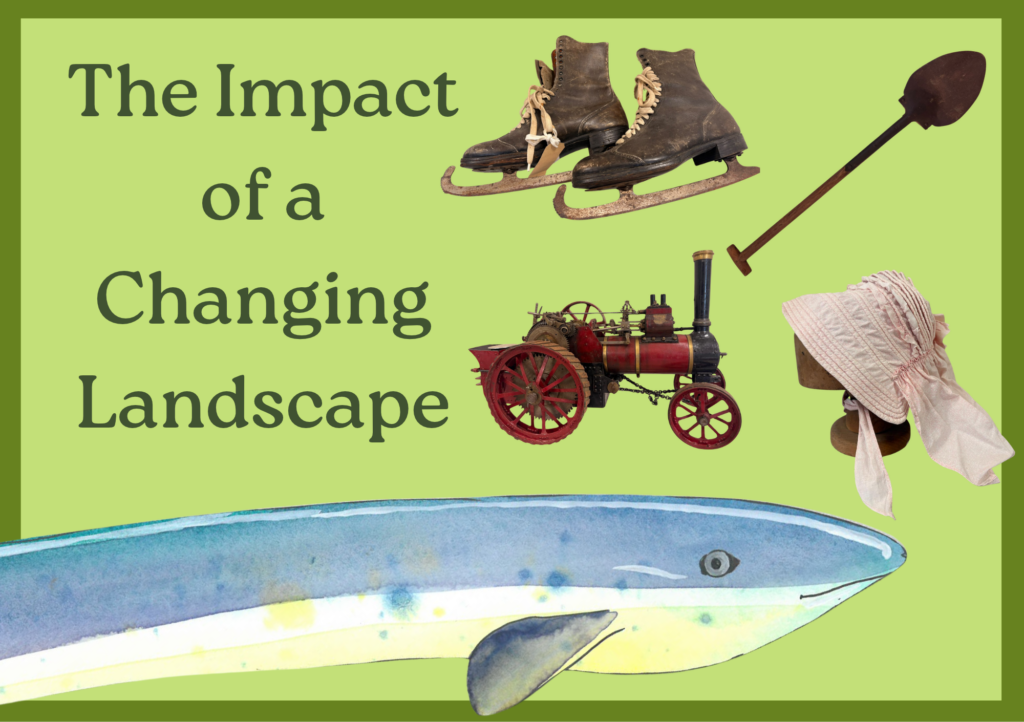
When exploring Cambridgeshire, you will see a flat landscape with long, straight rivers and deep ditches. What is fascinating is that these features were actually man-made. The transformation of the Fens did not happen overnight, but over many years due to something called “drainage”.
In the Fens, drainage has a specific meaning – the pumping or moving of water from land into man-made drainage ditches and channels.
If you travelled back in time, your surroundings would be very different; not only would the houses, clothes, and even the means of transportation be different, but the landscape itself would be almost unrecognisable.
In this exhibit, we will be looking at how and why this landscape changed, and how it affected the people who lived there.
The Fens – Early Years
— 1016 —
If we travel back in time to 1016, the landscape is very different. It is marsh-like and often floods, especially in winter, causing people to travel by boat, and by sledge or skates when the water is frozen.
Famously, King Canute (1017-35), who enjoyed the services at Ely Cathedral, had to travel by sledge one year to reach the Feast of the Purification.
“Ely is an island…seven miles long and as many broad, containing twenty-two vills; it is surrounded on all sides by marsh and water, but is distinguished by the possession of three bridges” Hugo Candidus, Monk of Peterborough, 1150
— 1556 —
In 1556, Denny Abbey is a farmhouse surrounded by thatch-roofed barns. Robert Chester is the first person to lease the land after the dissolution of the monasteries. If you look around, the landscape is shrouded in Fenland mists with reeds and water.
There was an attempt to protect the landscape from flooding through the hiring of Commissions who had the responsibility to oversee the management of area prone to flooding, and could compel landowners to carry out maintenance or repairs.
However, these Commissioners were often landowners and “were unwilling to perform their duties” due to the cost to themselves, leaving the rivers and ditches in an “unsatisfactory state”.
There were various ways in which local Fenland people made ends meet.
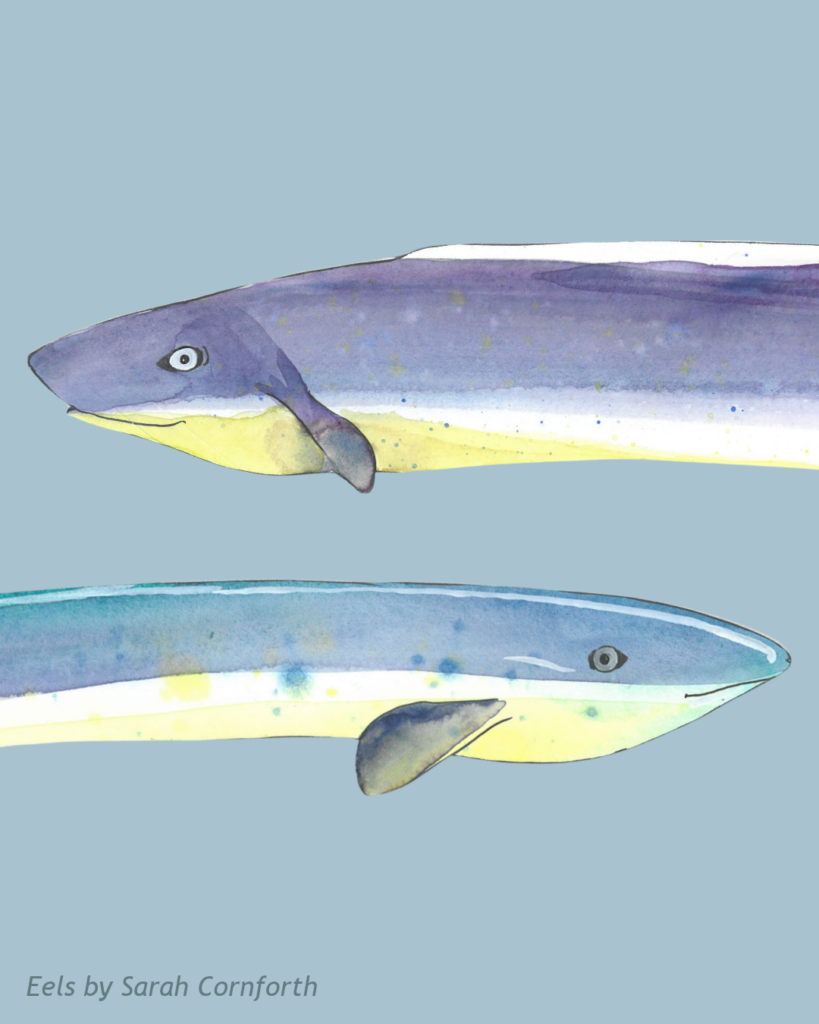
Fish and, most importantly, eels were plentiful and could provide a family with food and materials for clothing. Eels were so common that they could be used to pay rent.
“This marsh, however, is very useful for men; for there are found wood and twigs for fires, hay for fodder of cattle, thatch for covering houses and many other useful things. It is, moreover, productive of birds and fishes” – Hugo Candidus, Monk of Peterborough, 1150
The Fenlands offered a plentiful supply of birds, which were often used as a source of meat, feathers and eggs. Fen people often captured these wild birds with nets and traps.
Nearly 50% of land was “common land” or “common meadow”, which allowed those who were not owners or tenants to graze animals, grow crops and harvest natural resources on this land.
Despite the flooding, lower-lying areas were used for farming as the ground was rejuvenated with nutrients from the water. It was said to grow the “richest and certainest corn in England, especially wheat and barley”.
Along the river, the reeds were harvested as they were a favoured roofing material, being lightweight and with a high tensile strength. Reeds were a good natural insulator, keeping houses warm in winter but cool in the summer months.
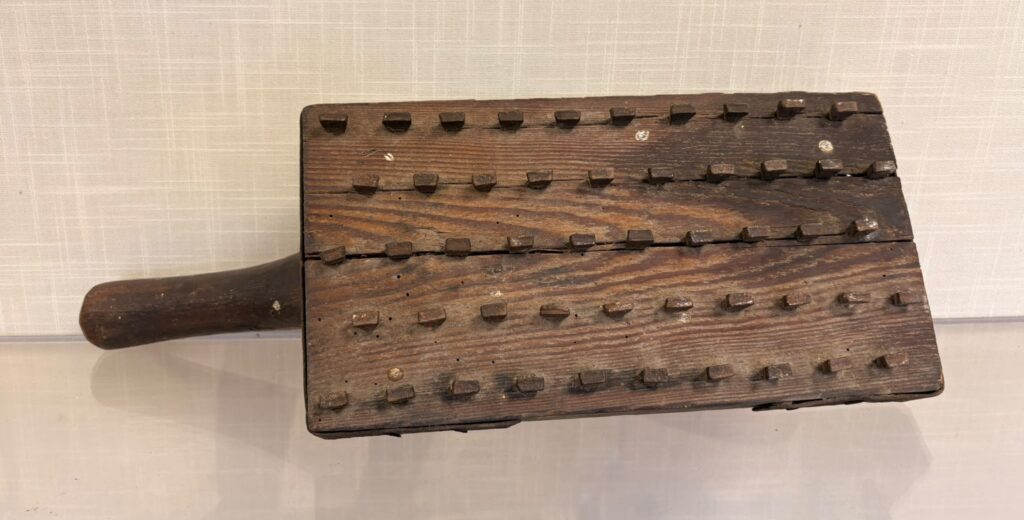
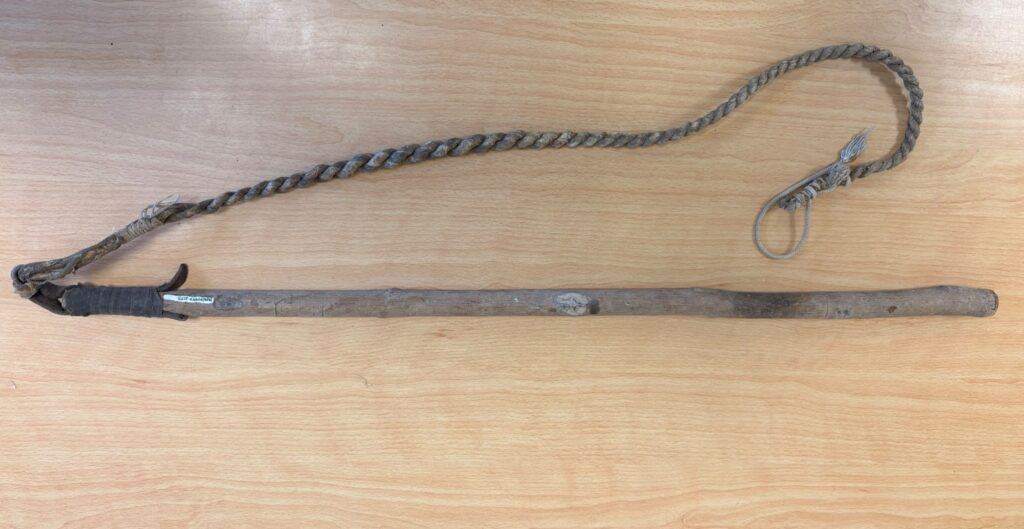
The Fen people made use of the unpredictable land to their advantage, creating traditions that endured for many centuries.
The Start of Something New
— 1653 —
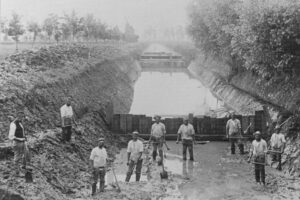
If we move forward in time to 1653 and travel to Earith, we will find a different picture. There is a newly cut river which is straight with high banks. On either side are temporary huts with men wearing white woollen caps and capes. There are also men standing with muskets, surveying the surrounding land and workforce.
How did we arrive at this point? To understand this, we must journey further back in time to 1603, during the reign of King James 1st.
The rapidly growing population created a need for increased food production. The Fens were recognised as a region of potential, as it had fertile soil for crops but suffered from frequent flooding.
King James hired a Dutch engineer named Cornelius Vermuyden, who had experience in drainage projects.
There was widespread unrest among the local populace over plans to drain the fens, stalling progress until 1630 under King Charles 1st.
Another important figure in the drainage journey was Francis Russell, the Fourth Earl of Bedford – a prominent landowner with extensive holdings around Thorney and Peterborough. Along with 13 others, he formed a group known as the “Gentlemen Adventurers”.
They wished to drain the Fens as it would yield rich, fertile land, all year round. This would benefit their estates, but they framed their proposal as a way to increase food production to support the growing population.
This plan proposed employing local labourers who would later find work maintaining these systems. They suggested it would ultimately provide sustainable employment for those previously reliant on charity.
The Adventurers also re-hired Vermuyden as his methods had proved effective in Yorkshire. Vermuyden’s drainage scheme focused on the construction of long straight rivers, including the Bedford River (now known as the Old Bedford River)
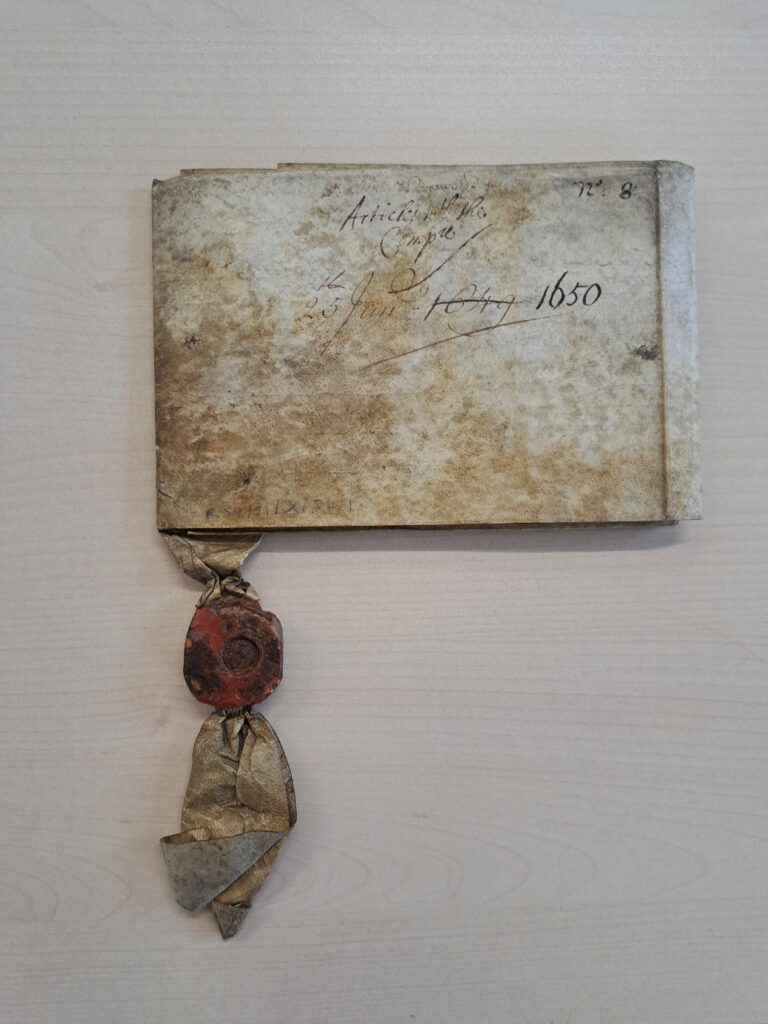
The outbreak of the Civil War derailed these plans, as drainage projects were put on hold. Yet, the Parliamentary government recognised the potential wealth associated with draining the Fens and granted the Adventurers (later known as the Bedford Level Company) the green light to proceed.
Vermuyden returned, and work resumed. This scheme continued to be supported by the New Parliamentary Government and, later, by Oliver Cromwell, which was seen to be a betrayal as he was from the area.
Local Reactions
The local Fenland community largely opposed the drainage works. The plans aimed to reduce flooding but also would lead to a loss of access to the common meadow and would have an impact on wildlife, resulting in loss of food and income.
Resistance to the drainage works began as early as 1598, escalating in the 1600s across six counties connected to the Bedford Level: Lincolnshire, Northamptonshire, Cambridgeshire, Norfolk, and Suffolk.
This resistance came in all forms. Petitions to the government, destroying ditches, sluice gates, setting fire to reed beds, and riots in the streets.
Those who resisted the draining of the fens became known as the Fen Tigers, a name that can be spotted all through the fens as a source of pride.
While the Adventurers did hire locals to dig the drainage works, many of those workers became reluctant due to continued payment issues. One example is that in 1652, the workers in Sutton went fourteen to nineteen weeks without pay, which led them to abandon the work.
A Changing Landscape Poems
Click to listen to two poems. As part of this project, we worked with volunteers to bring to life two poems from the 1600s.
The first poem is “The Powtes Complaint” (1611) and the second “A True and Natural Description of the Great Level of the Fenns” (1685).
The Powtes Complaint, by an unknown author, dates to 1611 and is a protest poem and one of the first environmental protest poems in the UK. It is thought that the poem is from the point of view of either the local fenland people or the river wildlife. The term powte may refer to a fish similar to a modern burbot.
A True and Natural Description of the Great Level of the Fenns, which dates to 1685, was seen to celebrate the draining of the fens and the progress it made. The poem is thought to have been written by Samuel Fortray, who was a landowner and a bailiff for the Bedford Level Company.
Workers or Prisoners?
In the winter of 1651, the minutes from the Bedford Level Company show their decision to employ Royalist Scottish prisoners of war, who had been captured during the battles of Worcester and Dunbar.
The prisons were full, leading to Parliament assigning prisoners to various industries and locations, including the Caribbean and New England, as well as the Fens.
These prisoners sent to the Fens had verbal agreements for shorter terms than the formal contracts given to those sent abroad.
By 1653, 2000 Scottish prisoners had been joined by 440 Dutch prisoners following the battle of Portland Bill.
The prisoners wore distinct white woollen caps and clothing to keep warm and to identify them as prisoners.
Over time, some prisoners earned their freedom, often returning home within a few years; others, unfortunately, perished during their contract. Some were buried in local cemeteries, and some were buried in the banks that they had made.
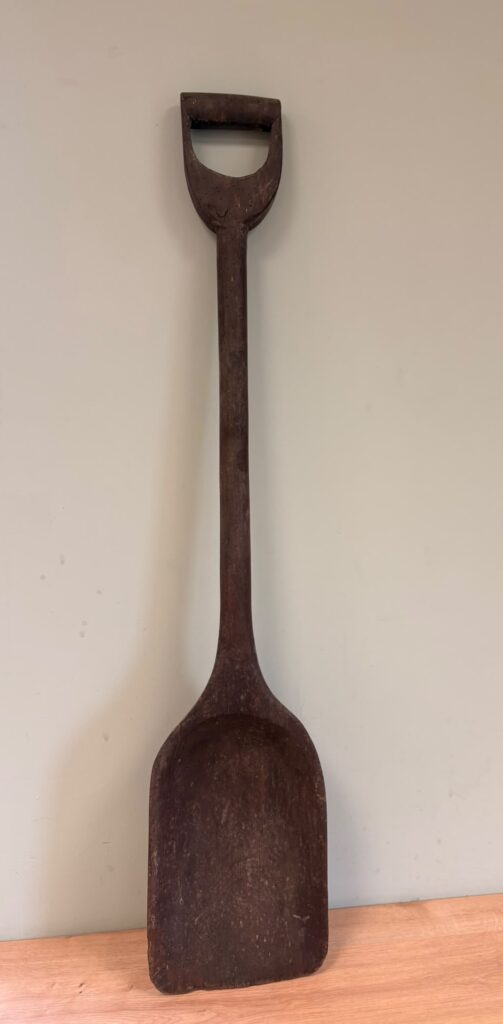
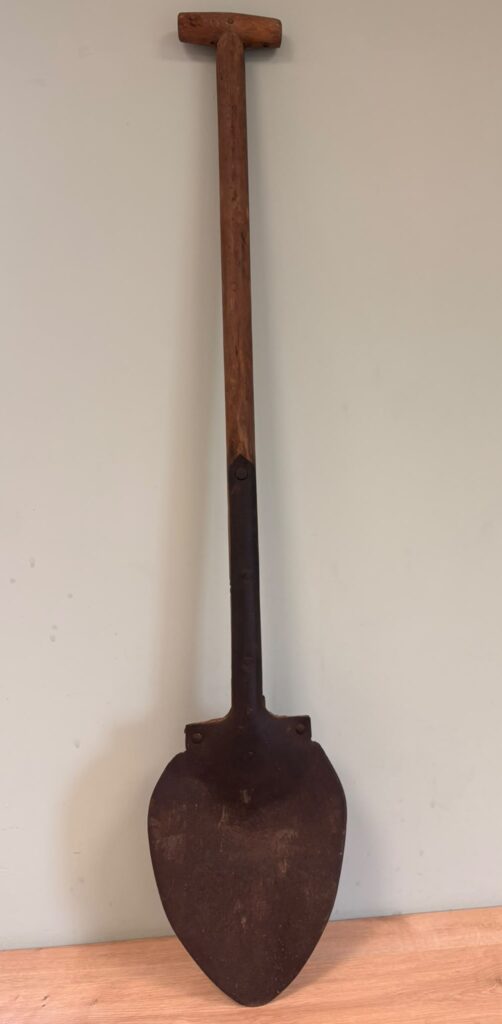
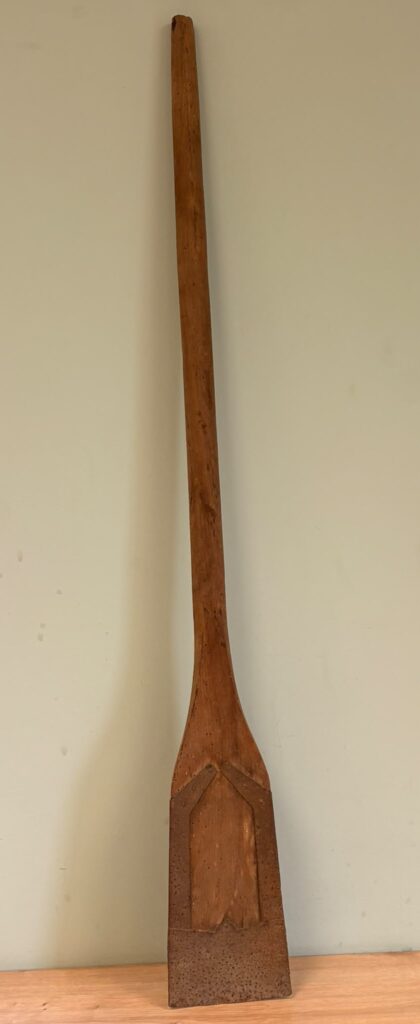
These tools are similar to the types of tools the prisoners may have used:
A New Type of Change
— 1887 —
If we travel forward to the year 1887, the landscape is different to that of 1556 and is starting to look similar to today. Drainage works are still ongoing and employ a number of the local population.
Through draining the fens, it was discovered that once water is removed from the peat in the soil, it shrinks, causing the land to sink. This means the rivers are higher than the surrounding land, making it impossible to get the water into them naturally.
Water needed to be lifted through pumping, which led to the introduction of windpumps, and later, in 1887, steam pumps. Workers were employed to maintain the new machinery and to ensure maintenance on ditches, dykes and sluice gates continued.
The land was still at risk of flooding. There was a devastating flood in February 1796 when a bank broke, causing water to flood the houses and barns of Littleport Fen, destroying crops, livestock and homes.
“The water was rising so fast that the roads were soon underwater, and all communication with the town stopped. It was a terrible time, for the wind blew, and the rain came down in torrents, and in a few days there were 30,000 acres in that district under water.” William Stimson, recalling the great flood of 1796 – The Great Drowned – 1796, an Eyewitness Account
Occupations in 1887
Farmers were experiencing an agricultural revolution. The introduction of steam and engines replacing horse-drawn machinery created more efficient methods of growing crops and increased the amount of food being produced, which was supporting a growing population.
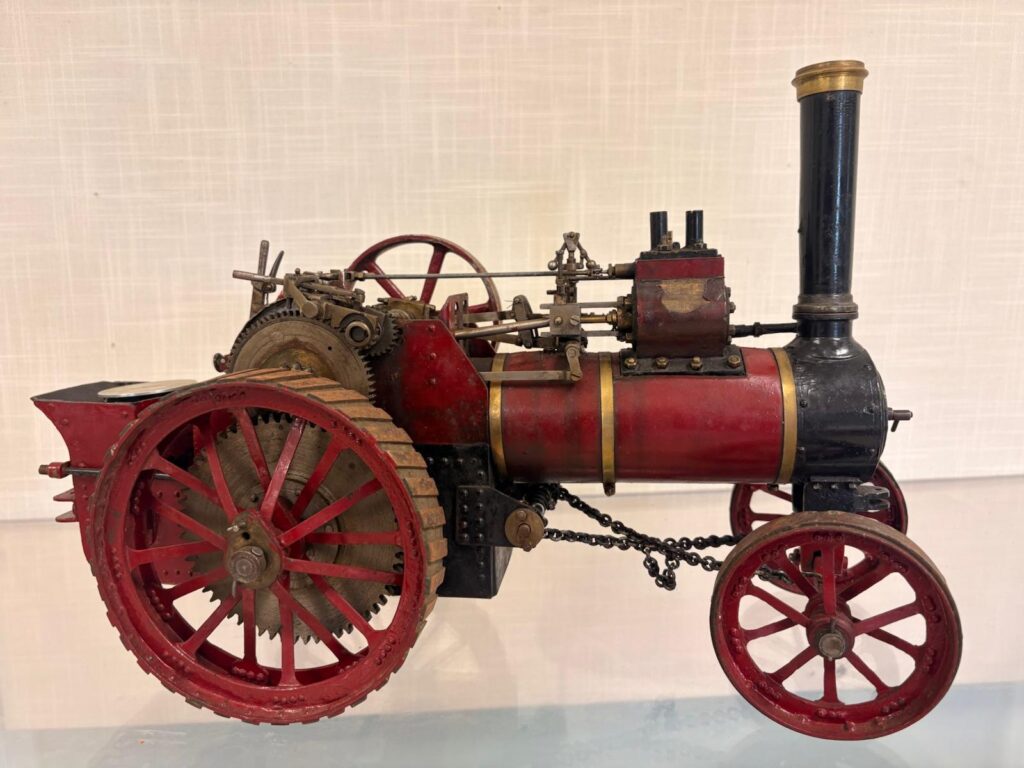
This increased efficiency meant that more hands were required to work the land. However, wages were low, and there were riots throughout the 1800s with labourers protesting low wages and lack of food, including wheat and bread.
Farming was not the only way to survive. Some families made ends meet through fishing, though only a few used the old methods of nets and eel glaives.
This time period was rife with punt gunners to hunt wild fowl. Although a source of food for some, for others, it was a sport.
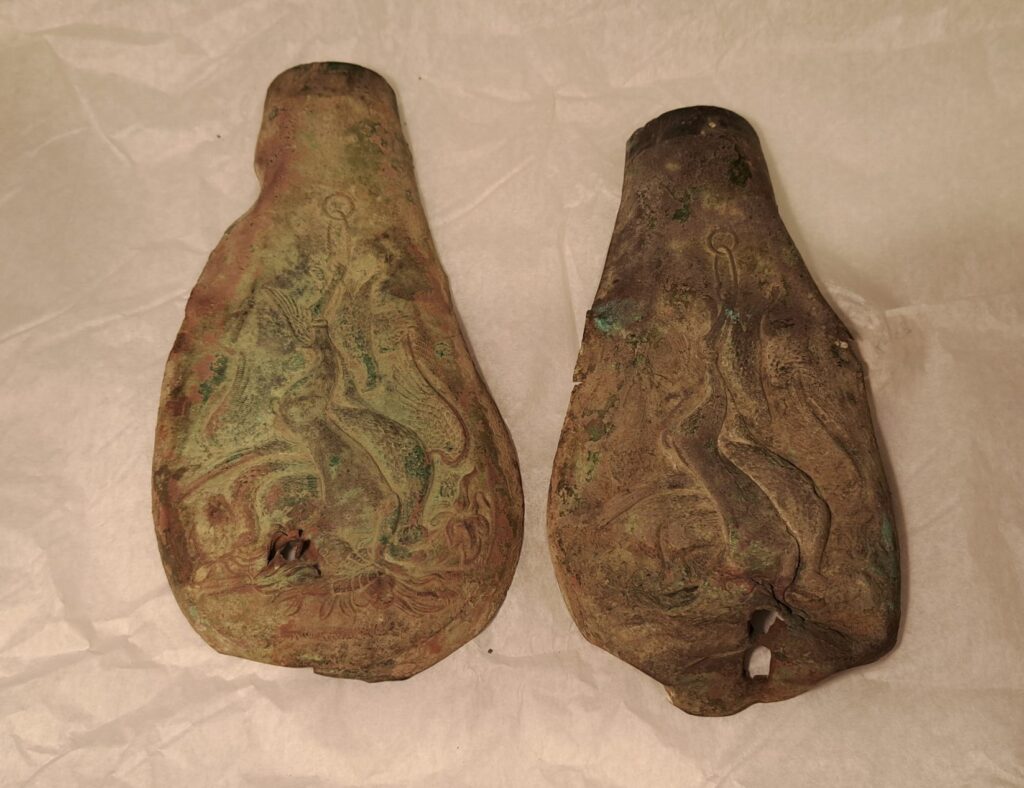
The expansion of the railway in 1850, including the Great Northern Line, created another societal change. This provided greater work opportunities, connecting people to jobs elsewhere and connecting farmers to markets further afield.
The Modern Fens
— 2026 —
Today, the Fens are famed for their agriculture and are a significant source of UK-grown produce, providing 22% of the country’s arable crop output, 35% of its vegetable production and supporting about 80,000 jobs in the food supply chain.
The upkeep of the drainage systems is still in place, now relying upon electrical power rather than steam power. However, there are still some challenges that the Fenland community is facing today.
The Fenland still faces issues around flooding, especially as “87% of land in the fens is below the mean spring tide level”, making it extremely vulnerable to flooding from rivers and the sea. Rising sea levels, due to climate change, are putting more pressure on the sea defences, and the drying peat soils are causing the land to sink even further.
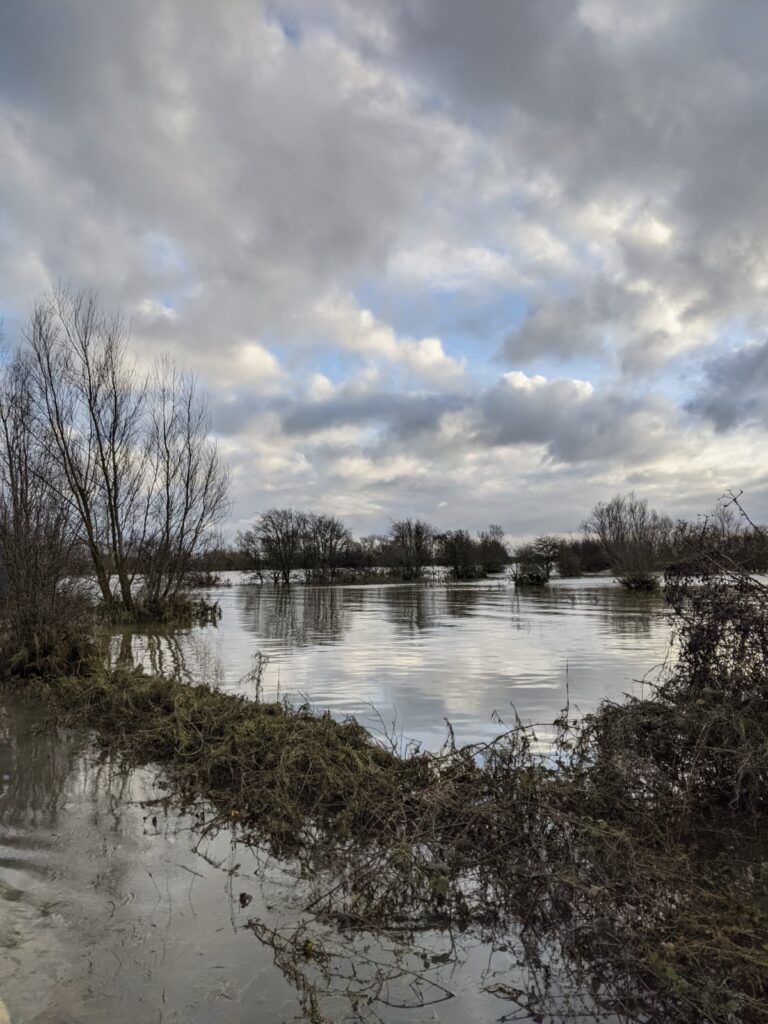
Although draining the fens allowed access to peat-rich soil for productive farming, it resulted in a 99% loss of the wild fen. The resulting destruction of habitat impacted much of the local wildlife.
There are various organisations that are attempting to repair and restore areas of the wild fen; the National Trust at Wicken Fen, Wildlife Trust at the Great Fen, Wildlife and Wetlands Trust at Welney and RSPB at the Ouse and Nene Washes.
If you want to learn more about the future of the fens, how about exploring these websites?
- In April 2026, the Environmental Agency released Fens 2100+, alongside a 12-minute video that focuses on fenland issues and future possibilities. Click here to watch the video
- The Great Fen Restoration Project. A plan to transform the Great Fen into a “prosperous and sustainable environment”