In the module ‘Every Object Tells a Story’. Anglia Ruskin students have learnt that objects are not just remnants of the past but active historical sources revealing how people lived and understood their world. This article is part of an online exhibition that showcases the museum’s collections and highlights the importance of object-based learning. We invite you to join us as we uncover the unique stories behind various objects and what they reveal about our past.
The Victorian Shopping Experience
Ahmed Tolba
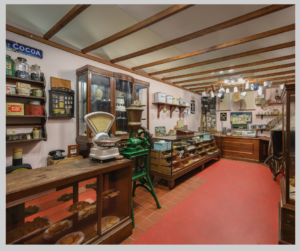
The concept of shopping is a universal pastime enjoyed by all walks of life; it certainly was not something just monopolised by just the British. But what the British managed to do was to revolutionise it; they reinvented the wheel and brought forth an enlightenment that shone upon your local shopkeeper. So, if you ever wanted to step into a Victorian shop and tiptoe your way into a land of endless displays, then the Farmland Museum should have your name on it. You will step into a different world where true arcanery thrives… and pickpockets quickly learn their manners. Shops in the 19th century were a second home to the people who ran them. The John Bull caricature personified the Victorian shopkeeper who always wore a waistcoat and breeches with a pocket watch in hand. Every item gets checked in by the sound of the cash register, which plays a role in inviting customers in and keeping them coming back.
Before the humongous effects of industrialisation, buying shoes, for example, was a very personal affair. You had to present your feet for measurements, as Cinderella would do with her charming prince, craft a custom pair, and then have them fitted to perfection. Efficiency, especially back then, did not exactly mean quality. A French visitor to England made that discovery himself when his shoes, whilst he was dancing away his French insecurities, turned to sandals! All the shopkeeper said was that thirty shillings was a fair price. The Frenchman was wrung out like a desiccated rag, which reminds us that the rise of mass-produced goods was as much about convenience and price as it was about quality.
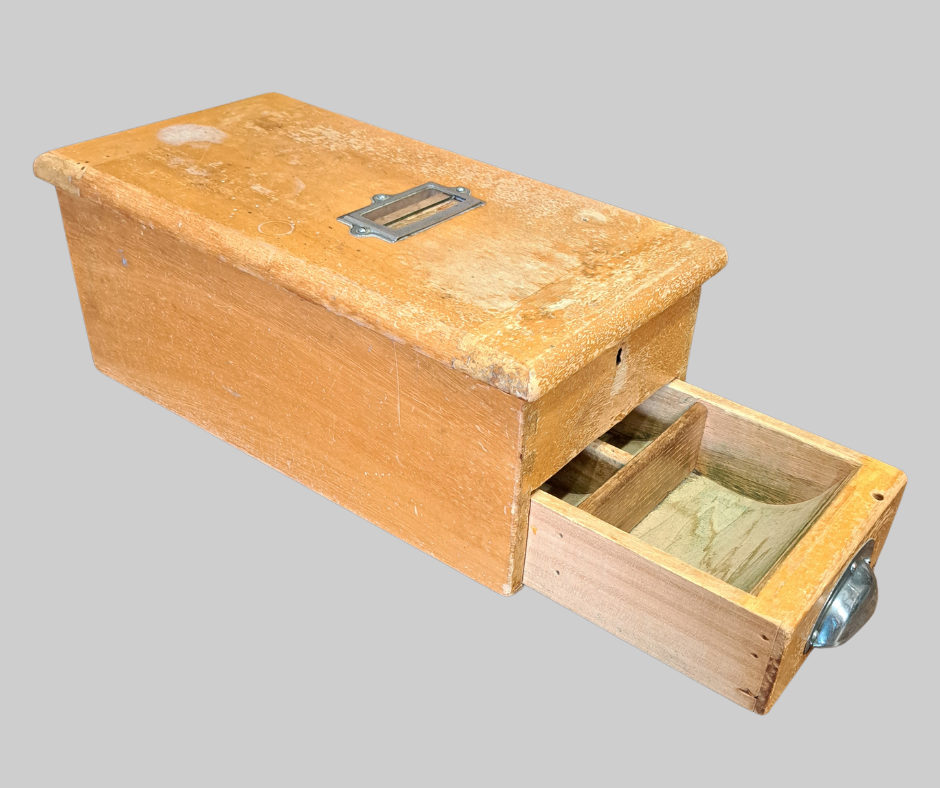
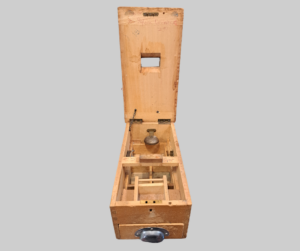
By the 1870s, the flow of money, in and out of the shops, raised more eyebrows than concern. But enter the mechanical cash register. To be precise, the Gildhill cash till was a clever machine that solved the recording of receipts shopkeepers and customers faced, and it also made that cathartic, distinctive ringing sound we are all familiar with; alerting everyone that the shopkeeper and every Tom, Dick, and Harry around that money had changed hands. This is no small innovation. This transformed how we shopped and even socialised until that infelicitous Covid showed up.
Yes, fast forward to the 20th century, and the British shops were now arming for an international and global presence. John Bull wanted to show his rubicund face to everyone. With the British Industries Fair, all the homegrown products were ready to be rolled out to the rest of the world. Just like the British gave the world the English language, now she was about to pass on British goods… all duties and taxes applied at checkout.
Today, shopping is a different animal compared to its ancient form, where each purchase was upfront and personal. Online shopping reigns supreme, leaving the High Street for the flesh flies. But the lessons of the Victorians still linger. Successful shopkeepers created trust through personal interaction, still to be found in high-end shops. Which provides a service that showcases products with pride and makes shopping a fancier experience, but with a higher price tag.