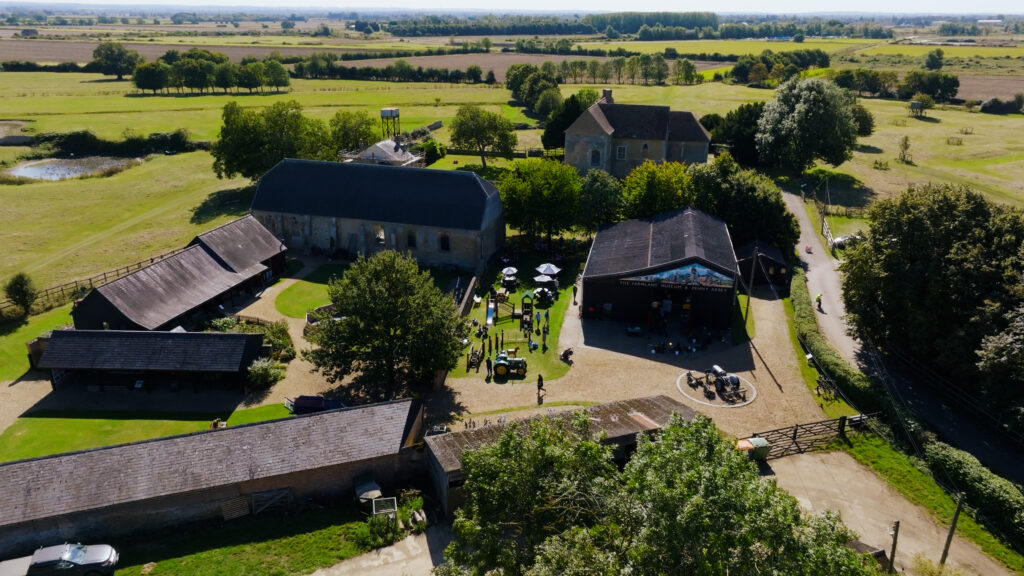
This online exhibition brings together a series of objects held at the Farmland Museum, each explored through the eyes of Master’s students at Anglia Ruskin University. Throughout the module, ‘Every Object Tells a Story‘, students have learned a simple but powerful idea: that objects are not just remnants of the past, but active historical sources that reveal how people lived, worked, communicated, and understood their world.
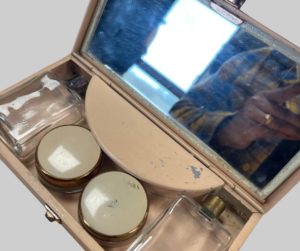
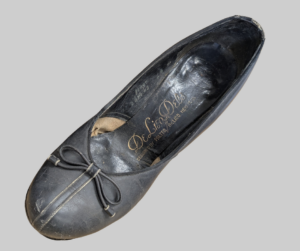
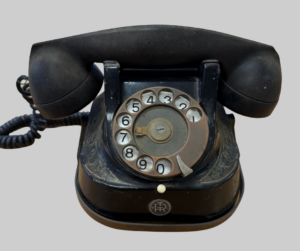
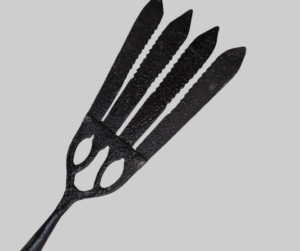
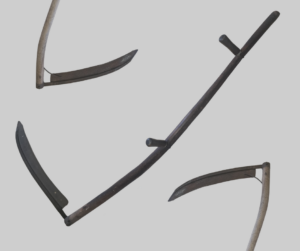
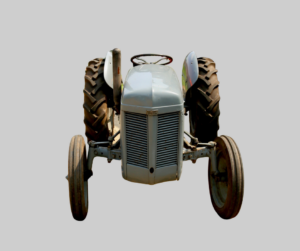
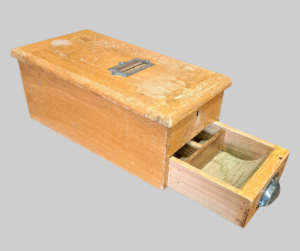
During their visit to the Farmland Museum, students were introduced to the collections through a guided tour before being invited to select an object that captured their interest. The objects chosen range widely in date, function, and material – from agricultural tools such as scythes, a tractor and an eel glaive, to everyday items including shoes, make-up and a telephone. Together, they reflect the diversity of the museum’s holdings and the many ways material culture can be approached.
Each exhibition is the result of close object analysis combined with historical research. Students examined their chosen objects in detail, considering aspects such as material, design, wear and use, and set these observations within broader historical contexts. In doing so, they explored questions of gender, everyday life, the Fens, communication, change over time and many more, demonstrating in the process how familiar, overlooked and sometimes forgotten items can open up rich historical narratives.
This exhibition showcases not only the Farmland Museum’s collections but also the value of object-based learning. By placing material culture at the centre of historical enquiry, the students’ work highlights how to connect tangible things with intangible histories, and how every object, when carefully examined, has a story to tell.
Dr Joseph Harley
Explore the links below to view our Hidden Histories:
This project would not have been possible without the expertise of Dr Joseph Harley, the wonderful Masters Students, and the Farmland Museum Volunteers. Thank you!