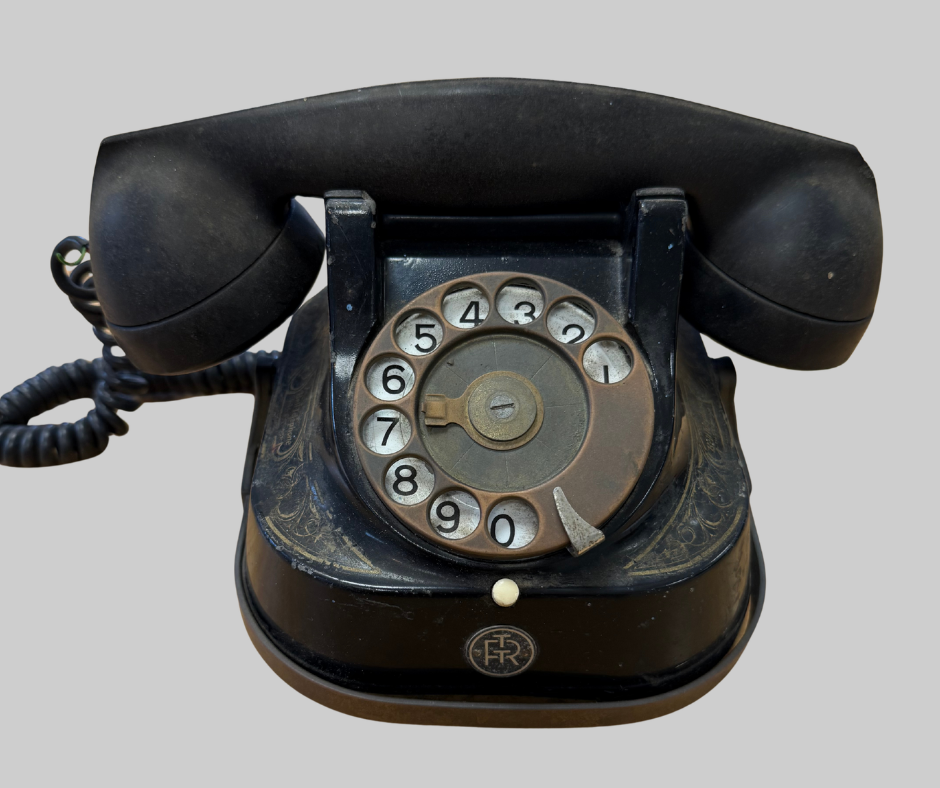
In the module ‘Every Object Tells a Story,’ Anglia Ruskin students have learned that objects are not just remnants of the past but active historical sources revealing how people lived and understood their world. This article is part of an online exhibition that showcases the museum’s collections and highlights the importance of object-based learning. We invite you to join us as we uncover the unique stories behind various objects and what they reveal about our past.
A telephone that once held a room still
Erdinc Cevik
Imagine making a phone call knowing that everyone around you could hear it begin. Before private lines and personal devices, communication was a public act, shaped by waiting, listening, and shared silence.
The RTT-56 rotary telephone comes from that world. This RTT-56 rotary telephone dates from the mid-1950s (c.1956), a time when telephone communication was still largely public and shared. At first glance, it may appear as a heavy and outdated object, a relic from a slower age. Yet this telephone once sat at the very centre of everyday life. Long before mobile phones, instant messaging, and constant connectivity, communication was slower, more deliberate, and often emotionally charged. The RTT-56 was not something carried in a pocket; it was fixed in place, most commonly in post offices or official buildings, where people queued, waited their turn, and shared the significance of the moment. Lifting the handset was rarely a casual act.
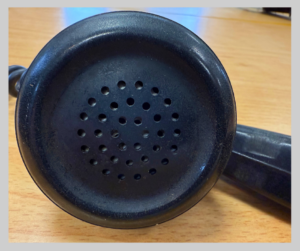
A ringing phone might bring welcome news, urgent information, or life-changing messages, and those nearby were always aware of its importance. Dialling a number was itself an experience: each digit carefully turned, the mechanism clicking back into place, time stretching before the conversation could begin. This slowness transformed communication into an event rather than a background activity. The telephone’s weight, solid handset, and mechanical dial were designed for constant public use, and the marks of wear on its surface bear silent witness to countless hands and voices.
These traces remind us that the RTT-56 was not a personal possession but a shared object, woven into the fabric of community life. In towns and villages, the post office telephone connected families, workplaces, and institutions, bringing distant voices into communal spaces. Many conversations that we would now consider private once took place in the quiet presence of others, blurring the boundary between public and personal life.
In this way, the RTT-56 tells a story not only about technology, but about how people lived together, how news travelled, how time was experienced, and how communities were formed. In a world that now prizes speed and constant availability, it is easy to overlook how much effort communication once required. Yet that effort gave conversations weight and meaning.
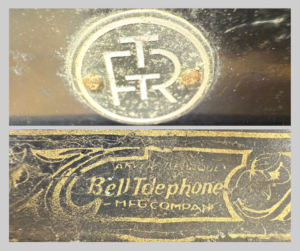
Now silent in the museum, the RTT-56 invites us to pause and imagine the moments it once carried: the anxious wait for a call, the relief of hearing a familiar voice, or the shock of unexpected news. Far from being a simple, obsolete device, this telephone stands as a witness to a different rhythm of life – one shaped by patience, shared spaces, and human connection. By looking closely at the RTT-56, we are reminded that communication has never been just about technology; it has always been about people, emotions, and the bonds created across distance. In an age of digital noise, this object offers a powerful reminder of why attention, presence, and care still matter.
Today, the RTT-56 stands silent, not because it has nothing left to say, but because the world has learned to speak differently. Its weight, its slowness, and its demand for patience now feel unfamiliar in an age of instant replies and constant connection. Yet standing in front of this telephone allows us to feel that difference rather than simply imagine it. By visiting the museum and encountering the RTT-56 in person, visitors are invited to pause, reflect, and experience a moment of quiet attention rarely offered by modern technology. The telephone does not ask us to return to the past; it invites us to step closer, listen carefully, and rediscover what it once meant to truly connect.
References: